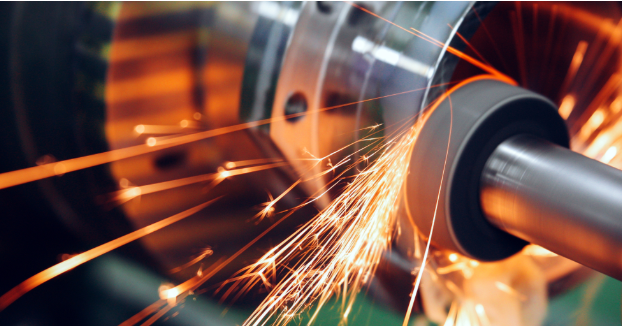
Most people underestimate what goes into a fabricated metal component. They see the finished product — a bracket, a frame, a structural beam — and assume the hard part was just cutting the right shape. It was not. The hard part is everything that happened before the first cut, and everything that gets checked before the last weld cools. Choosing the right metal fabrication company is where that process either starts well or starts poorly. Getting that process right matters. Especially when the component ends up inside a structure, a machine, or an installation that cannot afford to fail quietly
Generic Parts Hide Their Flaws
Mass-produced components are built for the widest possible market. That is not a criticism — it is just a fact about how volume manufacturing works. The problem appears when those components get placed into environments they were never specifically designed for. The fit is close enough to install, but not precise enough to perform well under real operating conditions. Wear builds up in the gaps nobody measured properly, and the time the issue surfaces, the damage is already done.
Material Selection Deserves More Attention
Choosing metal is not as straightforward as picking the strongest option available. Different alloys behave differently under heat, movement, and exposure. A fabricator working near coastal environments, for example, needs to think about salt-laden air in ways that an inland operation simply does not. The same applies to chemical exposure in food processing facilities, or extreme vibration in heavy machinery. The right material for one site can be the wrong choice entirely on another. A fabricator who treats this as a genuine engineering decision — rather than a standard default — is one worth keeping.
Precision Is Not a Luxury
Tight tolerances matter more than most clients realise until something goes wrong. Components that are slightly off in dimension create problems at the assembly stage, and bigger problems once the structure or machine is under load. Mining equipment, agricultural machinery, and industrial platforms all deal with vibration, thermal expansion, and mechanical stress as normal operating conditions — not edge cases. Fabricated components that hold their dimensions under those conditions perform reliably. Those that do not tend to fail at the joints, and rarely at a convenient time.
Early Input Changes Everything
A skilled metal fabrication company does not just execute a drawing — it interrogates one. Experienced fabricators catch potential stress points, welding access issues, and material mismatches before production starts. That kind of feedback is genuinely valuable. Adjustments made during planning are simple. Adjustments made mid-production are expensive. Adjustments made after installation are a problem nobody wants to be explaining to a client.
Welds Tell the Full Story
Surface appearance is a poor indicator of weld integrity. A clean-looking weld can still carry internal porosity or incomplete fusion that only becomes apparent under load. This is why certified welders and documented quality processes matter — not as box-ticking exercises, but as genuine assurance that what looks solid actually is. Reputable fabricators back their work with records, not just reassurances.
Repeat Work Should Be Seamless
When a project expands or a component needs replacing, being able to replicate original specifications without starting the engineering process again is a quiet but significant advantage. Good fabricators retain drawings, material certifications, and process documentation. Repeat orders become straightforward manufacturing decisions rather than fresh design problems. That continuity has real value over time.
Local Knowledge Is Underrated
Australian operating environments are specific. The heat in inland regions, the humidity along the northern coastline, the dust conditions across mine sites in the west — none of these are abstract considerations. They are daily realities that affect how metal components behave over their working life. A metal fabrication company that has built for these conditions brings contextual understanding that a generic supplier cannot replicate, regardless of how competitive their offering looks on paper.
Conclusion
Partnering with the right metal fabrication company is less about finding someone who can do the job and more about finding someone who understands why every decision in that job carries weight. Material choices, weld quality, dimensional accuracy, early design input — none of these are small details. They are the difference between a component that quietly does its job for years and one that becomes a problem nobody budgeted for. The best fabricators do not just build to spec. They build to last.