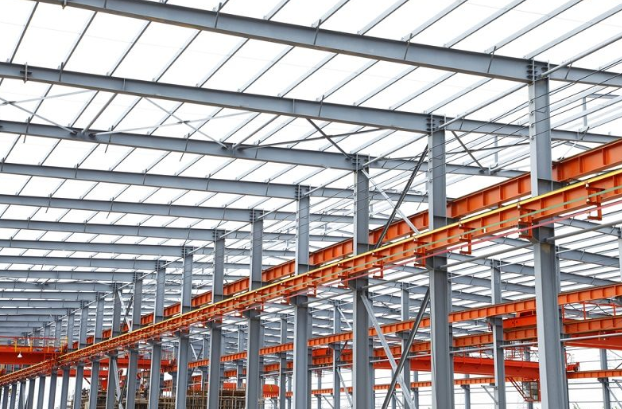
Ask anyone who has managed a steel-framed build through to completion and they’ll say the same thing — the material itself is rarely where a project goes wrong. What goes wrong happens long before a beam arrives on site, usually buried in decisions that seemed minor at the time. Steel fabrication in UK workshops sits right at that pressure point, yet most clients still treat it as a line item rather than a discipline. That gap is where projects start losing time and credibility.
Late Appointments Cost More Than You Think
Fabricators are almost always the last specialist appointed and the first blamed when the programme slips. That tells you something. Steel sits on the critical path of virtually every framed structure, yet design teams routinely issue packages late and full of unresolved coordination problems. A fabricator brought in during design — not handed drawings after the fact — can flag clashes before they become site surprises. Reworking a connection detail on a drawing takes an afternoon. Reworking it with installed steel already above takes considerably longer.
What Traceability Actually Protects
Nobody thinks about traceability until something goes wrong. A cracked weld flagged during a refurbishment survey. A building control officer who wants evidence the steel actually matches the drawings. Certified steel fabrication in the UK generates documentation that answers those questions without drama — mill certs, weld records, inspection sign-offs all tied to specific components. Without that trail, the questions don’t disappear. They just become considerably more expensive to answer.
Connections Are Where Structures Actually Fail
It’s rarely the column. It’s rarely the beam. When steel structures develop problems, the failure almost always traces to a connection — an end plate fractionally out of plane, a weld undersized because the welder was under pressure, a bolt group shimmed rather than properly refabricated. These aren’t dramatic failures. They’re the quiet compromises that accumulate in workshops where speed gets prioritised over accuracy. Quality fabrication treats connections as the point where everything either holds or doesn’t.
Fire Protection Is a Sequencing Problem
Intumescent coatings applied inside a controlled workshop — stable temperature, proper humidity, inspector present — behave very differently to the same product applied during a site push with trades working around it. The difference shows in film thickness, adhesion consistency and the records handed to the building owner. UK steel fabrication done properly keeps fire protection as a workshop stage, not something the site crew handles when they get around to it. Projects that treat it the other way tend to find out why that matters at the worst possible time.
BIM Split the Industry in Two
Before BIM, fabricators routinely received drawings impossible to build from without heavy interpretation. Everyone absorbed that friction and moved on. BIM made the problem visible — and split the industry sharply. Fabricators who invested in model-based detailing workflows found the interpretation burden dropped. Those who didn’t found themselves locked out of projects where coordination standards actually matter. That gap has widened steadily, and clients still selecting on price alone haven’t fully registered it.
Carbon Is Now a Tender Requirement
Embodied carbon used to appear in sustainability reports after a building was finished. Now it’s in tender requirements before appointments are made. Steel fabricated from domestically recovered material performs well against those benchmarks. Offshore fabrication carries transport emissions and traceability gaps increasingly hard to justify when the client has a net-zero commitment they’re legally accountable for. That shift isn’t on the horizon — it’s already reshaping procurement decisions on serious schemes.
Cheaper Quotes, Expensive Problems
The logic of taking the lowest quote is understandable right up until the steel arrives. Dimensions that don’t match the drawings. Coatings that fail the gauge. Documentation that doesn’t exist. Each problem lands on the main contractor’s programme, not the fabricator’s. By the time there’s a recovery case, the delay is already absorbed. Experienced contractors build fabricator capability into their selection criteria. The ones still learning that lesson figure it out on someone else’s budget.
Conclusion
Steel fabrication in UK facilities is where project risk gets managed or quietly stored for later. Documentation, connection quality, fire protection sequencing — none of it appears in the finished building. What appears is whether the project ran cleanly and whether the structure holds up across years of use. Clients who understand that stop treating fabricator selection as a procurement exercise. It’s an engineering decision. The quote is just where the conversation begins.