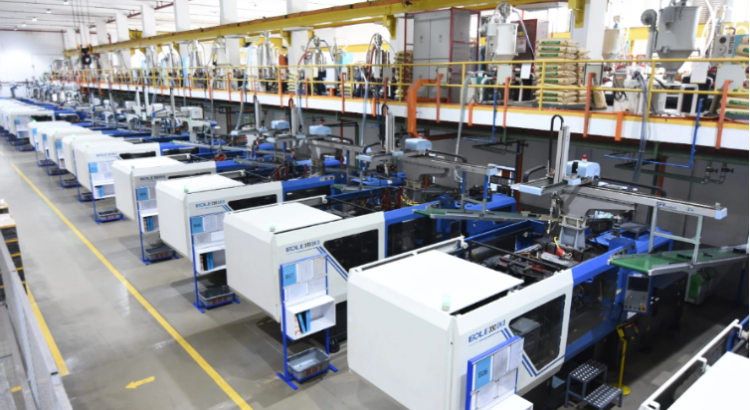
For a plastic injection moulding manufacturer, the production process involves injecting molten plastic material into a custom designed mould, and this is done under high pressure. This method of manufacturing is used widely across many industries, mainly because it makes possible the production of identical parts in large volumes, with good accuracy and at a cost that remains low per unit. Starting from small clips and connectors, up to automotive panels and medical device housings, injection moulding gives shape to many products that are part of daily life.
How Does Plastic Injection Moulding Work
Raw plastic material is where the process starts, usually coming in the form of small pellets or granules. Inside a heated barrel, these pellets are fed and then they melt into liquid state. After melting, under pressure the plastic gets forced into a metal mould cavity, which has been machined already to match the exact shape needed for the part. Once the plastic becomes cool and solid inside the mould, then the mould opens and the finished part comes out.
Again and again this cycle continues, and that is the reason why this process works so well for mass production purpose. From a single mould, thousands or sometimes millions of identical parts can be produced, before replacement or repair of mould becomes necessary.
What Materials Are Commonly Used
Depending on what use the final product will have, different plastic resins get chosen. Some of the common materials are following:
- Polypropylene, which is known because of flexibility and resistance to chemicals
- ABS, which is valued due to strength and resistance against impact
- Polycarbonate, mostly used in places where transparency along with durability is needed
- Nylon, chosen mainly for parts that require strength and resistance to wear
- Polyethylene, which is often used for packaging and containers
Not only appearance of the part gets affected by material selection, but also mechanical properties, resistance to temperature, and how long the part will last.
Why Is Injection Moulding Used So Widely Across Industries
Because it brings together speed, precision and repeatability, injection moulding has become popular. After a mould is made, production turns highly efficient, and almost identical comes out each part compared to previous one. In industries like automotive, electronics, medical devices and consumer goods, where tolerance matters a lot, this kind of consistency becomes very critical.
Also, geometries that are complex in nature become possible through this process, which through other manufacturing methods would be difficult or costly to achieve. Directly into a part, features such as thin walls, internal threads and intricate details can be moulded, and this reduces requirement of secondary assembly or machining.
What Factors Affect the Quality of Moulded Parts
Final quality of an injection moulded component gets influenced by several variables, such as:
- Precision and design of the mould
- Quality and selection of material
- Control of temperature during stages of melting and cooling
- Speed and pressure of injection
- Time of cooling before part gets ejected
Defects like warping, sink marks or incomplete fills can happen, even if variation in these factors is small. Because of this reason, quality checks and careful control of process become essential part of manufacturing.
How Long Does It Take to Produce Parts Through Injection Moulding
Once ready the mould is, actual cycle of moulding for most of the parts takes somewhere between few seconds to couple of minutes, this depends on complexity and size of the part. For production runs with high volume, this makes the process very efficient. However, longer time may get taken by initial stage of mould design and tooling, since precise engineering is required to make sure mould produces parts that are accurate and consistent.
What Industries Rely on Injection Moulded Components
Almost every industry contains injection moulded parts, including following:
- Automotive, where connectors, interior trims and housings get used
- Medical, for disposable components and casings of device
- Electronics, used for structural parts that are internal and enclosures
- Consumer products, for items of household and packaging
- Industrial equipment, for components that are functional and protective
Because both designs, simple and highly detailed, get supported by this process, it still remains among most versatile methods of manufacturing available today.
Final Thoughts
To understand how operation happens at a plastic injection moulding manufacturer helps in explaining why this process stays central to manufacturing in modern time. Through melting of plastic material and shaping it inside moulds that are engineered with precision, manufacturers become able to produce parts which are consistent, durable and cost effective, at scale. Whether the application is automotive, medical, electronic or consumer related, injection moulding keeps being efficient and reliable method for turning plastic that is raw into products with good quality and function.