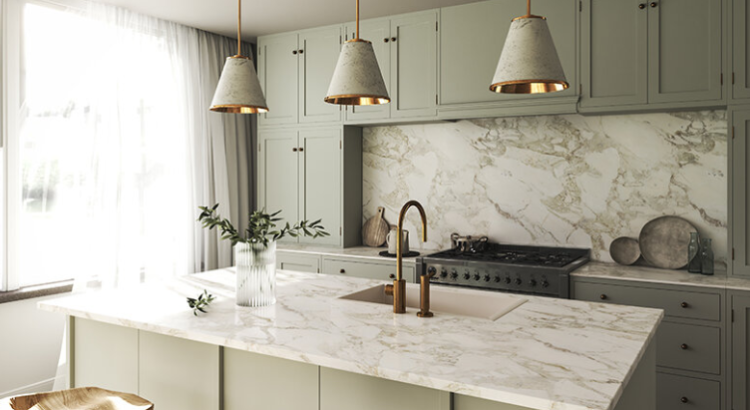
Without tearing everything out and starting again from zero, kitchen resurfacing on the Gold Coast gives many homeowners one of the most practical ways to bring new life into an old kitchen. Rather than removing benchtops and cabinets to put in brand new units, resurfacing works together with what already exists. On top of the existing surfaces, a new coating or laminate finish gets applied, and within just a few days, the kitchen starts looking like an entirely different place. Because of this reason, many homeowners have begun choosing this approach, particularly those wanting a visual upgrade but without the high cost, the mess, and the weeks of downtime that a full renovation usually brings along.
So What Actually Happens During the Process?
During resurfacing, three areas generally receive the most attention, these being benchtops, cabinet doors, and drawer fronts. Before any new material gets applied, first the old surface is cleaned and sanded, so that proper holding becomes possible for the new coating. After completing this step, a tradesperson will apply either a spray on finish, a laminate overlay, or a special coating made for bonding well with materials like melamine, laminate, or timber. Once curing has finished, the surface will look and feel almost like a full replacement, even though underneath, nothing has actually changed.
Why Do So Many People Choose Resurfacing Instead of Replacement?
A small task, a full kitchen replacement is never. Cabinetry needs removing, plumbing and electrical work often gets disturbed too, and across several weeks, the whole job can easily stretch. With resurfacing, most of this trouble simply does not occur, because no demolition work becomes necessary. A few reasons why this option keeps coming up again and again include the following:
- Only a fraction of what a full renovation would need, the cost usually is
- Within a matter of days, most jobs get completed
- Compared to a gut renovation, very little mess is created
- Rather than getting thrown away, existing materials get reused, which also benefits the environment
How Long Does the Job Usually Take?
From one kitchen to another, the timeline can vary, but somewhere between two to five days, most resurfacing projects get finished. Once benchtops receive the new coating, some curing time becomes necessary, so for a day or so, homeowners usually get told to keep heavy items away from the surface. When cabinets get resurfaced at the same time, alongside the benchtop process, this work can often happen, which helps the entire project move faster than most people expect it to.
Will It Really Last, or Is This Only a Quick Fix?
Most often, this is probably the question people ask, and there is good reason why. When properly done, for many years a resurfacing job can last, even under normal daily kitchen use. On the quality of materials used and how well the surface gets treated afterward, how long it actually lasts depends a lot. Scratches, moisture, and everyday wear can be handled fairly well by good quality coatings, although using a chopping board and avoiding hot pans directly onto the surface is still wise. In keeping the finish looking good for longer, sticking with gentle, non abrasive cleaning products also helps a lot.
Which Kitchen Surfaces Can Actually Be Resurfaced?
For this process, not every surface is suitable, so knowing beforehand what is realistic becomes helpful:
- Laminate benchtops and cabinet doors
- Melamine cupboards
- Timber cabinetry, provided reasonably good condition it remains in
- Depending on their current state, some tiled surfaces
If already serious water damage, warping, or other structural problems a surface has, before resurfacing can properly be done, repair work will usually be needed first.
Does Resurfacing Really Add Value to a Home?
One of the first spaces that buyers notice, in most homes, is the kitchen, so genuinely changing how the whole property feels becomes possible through refreshing it. The exact same value that a complete renovation would add, resurfacing may not add, but a strong return it still gives, mainly because achieving a similar visual result costs so much less. For those planning, in the near future, to sell their home, this can be a smart way of lifting the property appeal without spending too much money.
What Colours and Finishes Are Usually Available?
Than many people first assume, more flexibility exists here. Matte, gloss, and satin finishes are all available, along with a wide range of colour choices, so either matching the existing style or taking on a completely new look altogether becomes possible for the kitchen. Whether the home carries a modern feel or leans more towards traditional style, this makes personalising the final outcome quite easy.
Taking Care of a Resurfaced Kitchen
In how long the new finish continues lasting, a real difference can be made through a few small habits:
- Quickly, spills should get wiped up, especially anything oily or acidic
- Always, mild and non abrasive cleaning products should be preferred
- Directly on the benchtop, hot pots and pans should never get placed
- Instead of cutting straight onto the surface, a chopping board should always be used
Much effort none of these habits require, yet over time, truly they add up.
In the end, a genuinely practical alternative to full renovation gets offered to homeowners through kitchen resurfacing on the Gold Coast, one that saves money, reduces disruption, and still gives a kitchen looking fresh and well maintained. Once properly understood are the process, the timeline, and the upkeep involved, much easier it becomes to decide whether this particular kitchen and budget suits this option.