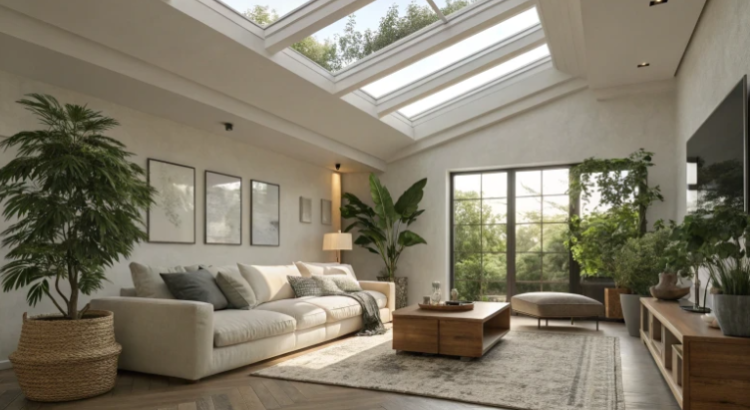
Roof-mounted ventilation systems are now a very common feature in many Australian homes, and openable skylight designs, including skyspan skylights, are widely known for improving airflow, along with adding natural light to the indoor spaces. These systems are made in such a way that they allow warm air to escape through the roof cavity, while fresh air is drawn in from the lower openings, and this creates a natural convection effect that reduces the need of mechanical cooling in the house. That is the reason openable skylights are mostly installed in kitchens, bathrooms and living areas, places where humidity and stale air usually build up with time.
What Makes an Openable Skylight Different
Fixed skylights only allow the light to pass through, but the openable ones are different because they come with a hinge or vent mechanism which lets the glass or dome panel to lift, tilt or slide open as needed. This kind of design is serving two purposes together, daylighting and passive ventilation both at same time. Many of the models are having a remote control or a manual chain-operated system, so the opening can be adjusted according to the weather condition or the indoor air quality requirement.
How Ventilation Works Through Roof Windows
Warm air, by its nature, rises up and gets collected near the ceiling area. When an openable skylight is placed at the roofline, it allows this trapped heat to go outside directly, instead of moving back into the room again. This process is called stack ventilation, and it works in a better way when it is combined with a lower window or a door which is kept slightly open, so a cross flow of air can happen through the home.
Do Skylights Cause Heat Loss in Winter?
This is one concern that many homeowners have in mind before going for a skylight installation. The answer to this mostly depends on what type of glazing has been used. Glass panels that are double glazed or laminated are made in a way to reduce the heat transfer, which means the warmth that is generated indoors in the cold months stays inside the home rather than going out through the roof. Skylights that come with insulated frames and low emissivity coatings tend to perform much better in keeping the indoor temperature, if compared with the older single glazed designs.
Can Skylights Be Installed on Any Roof Type?
The pitch of roof and the material used play a big role when it comes to skylight compatibility. Roofs made of tiles, colorbond or metal sheets, each of them need a different flashing system so a watertight seal can be made. In case of flat or low pitch roofs, a raised curb might be needed so water does not get pooled around the frame of skylight. Before any installation, a professional roof check is usually required to know the right flashing kit and the mounting angle for it.
Materials Used in Skylight Frames and Glazing
Mostly, one of these materials is used in modern skylights:
- Aluminium frames, which are known for strength and also resistance from corrosion
- Polycarbonate domes, known because of impact resistance and UV filtering ability
- Toughened or laminated glass, which gives clarity along with safety in case it breaks
The frame material is also affecting the thermal performance, and thermally broken aluminium frames are helping to reduce the condensation that builds around the edges of skylight.
How Much Natural Light Do Skylights Add to a Room?
Skylights, in general, let much more natural light come into a room if compared to the vertical windows of same size, because the roof mounted glazing is able to catch the direct sunlight for a longer part of the day. This becomes very useful in rooms where there is not much wall space for windows, like internal bathrooms, hallways or staircases. It has also been seen that more exposure to natural light is connected with better mood and less use of artificial lighting in daytime.
Do Skylights Require Regular Maintenance?
The maintenance needed is usually not much, but still important for the long run performance. Some of the recommended upkeep includes:
- Clearing the debris, like leaves or dust, from outside glass surface
- Checking the seals and flashing for any wear, especially after storms
- Testing the opening mechanism from time to time so it works smooth
- Checking for condensation buildup, which can be a sign of ventilation problem
If these checks are ignored, it may lead to less efficiency, or in some cases, water can enter around the frame.
Are Openable Skylights Suitable for Bathrooms and Kitchens?
Areas with high moisture get a good benefit from ventilated skylights, as they let the steam and odours go out fast, instead of settling on the walls and ceiling. This can help in reducing the mould growth and also improves the indoor air quality with time, which makes these spaces feel more fresh without using the exhaust fan all the time.
Roof ventilation and daylighting are still playing an important role in the energy efficient home designs, and openable systems such as skyspan skylights are giving a practical way to bring both functions together in one single installation. As these systems allow natural airflow while cutting down the dependency on artificial lighting and mechanical ventilation, they support a healthier indoor environment along with a more sustainable use of energy through the year.