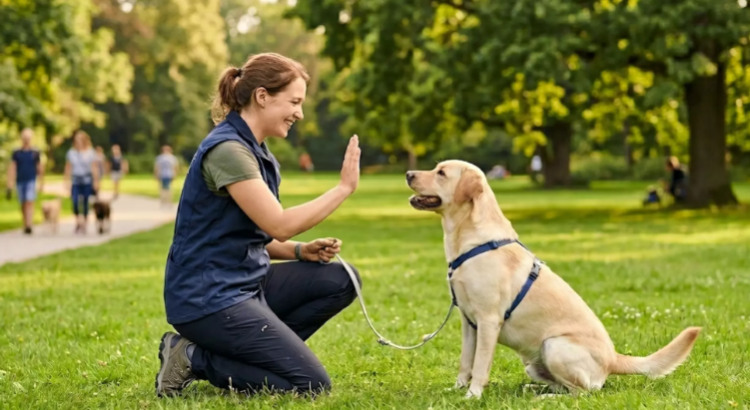
When a new puppy comes into the home, so many questions arrive together about behavior, socialization and obedience of the little one. Because of this, many new owners go searching for structured guidance, as raising a well behaved dog is needing more than just instinct. This is the main reason why puppy training classes are becoming such a popular starting point in early development of puppies. In these classes, puppies together with their owners get guided setting where basic commands, socialization skills and confidence building, all happen at same time. Rather than only guessing what will work, owners are getting clear, step by step approach which comes from people who understand canine behavior in deeper way.
Why Puppies Are Needing Structured Training From Early Stage?
In the first few months of puppy’s life, so much gets shaped, how it will react with people, other animals and daily situations for coming years. If early guidance is missing, then small behavior issues can turn into habits that stay for whole life.
Structured training is helping with things like:
- Building the focus and attention span
- Reducing the anxiety in new environment
- Teaching about impulse control
- Encouraging good interaction with other dogs
A puppy who is learning these foundations early, mostly grows into calmer and more adaptable adult dog.
What Is Actually Happening During Training Session?
Mostly the sessions are not only about sit and stay commands. In typical class, leash manners, name recognition, basic recall and gentle handling exercises are introduced, so puppies become comfortable with touching, grooming or examination without any fear.
Socialization is another big part of this whole process. Puppies get interaction with other same age puppies under supervision, and this is helping them to learn proper play behavior, also reducing chances of fear based aggression in later life.
Owners are also being guided how they can reinforce these lessons at home, because consistency is playing big role in how fast puppy is learning.
From What Age Puppy Should Start Learning These Skills?
Many owners think training should be waiting until puppy becomes older, but actually early exposure is working in puppy’s favor more. Most of experts are agreeing that puppies can start with light training from eight to ten weeks age, especially once first vaccinations are already going on.
Early training does not mean puppy should master complex commands immediately. Instead, focus stays on things such as:
- Getting comfortable inside new environments
- Building the trust with humans and other dogs
- Learning simple cues like sit or come
When start is early, foundation becomes stronger, and this makes later advanced training much more easy.
Home Training Is Enough, Or Puppy Also Needs Class Setting?
This is one question that new owners are asking very commonly. Home training is having its own value, especially for basic commands and daily routine. But class setting is bringing something that home environment cannot give fully, which is controlled exposure toward distractions, other dogs and unfamiliar people.
Puppies who train only at home, sometimes they struggle in real situations, because practice of focusing with noise, movement or excitement around was missing before. A structured class is closing this gap slowly by increasing these challenges step by step in safe, guided manner.
How Much Time It Takes To See Noticeable Result?
Every puppy is learning with different speed, depending on breed, temperament and how consistent the practice is. Still, most owners are noticing improvement in focus, leash walking and basic obedience within few weeks only, once regular sessions are started.
Long term behavior changes, like staying calm around strangers or reliable recall, usually are taking several months to develop fully. Patience is very important here, since puppy is still developing physically and mentally in this stage of life.
Puppy Training Classes Are Helping With Long Term Behavior Issues?
Yes, and this is actually one big reason why early training gets recommended so strongly. Many long term behavior problems, such as too much barking, fear based reaction or poor leash manners, these often are connecting back to lack of early socialization and structure.
By working on these areas while puppy is still young and adaptable, owners can stop issues before they become deep habits which are harder to correct once dog becomes adult.
Building a confident and well mannered dog is starting from right foundation, and this foundation comes through consistency, patience and guided learning process. For many new owners, puppy training classes are giving exactly this structure, mixing expert guidance together with real world socialization in way that only home training cannot match easily. When puppies are learning good habits from early stage, both dog and owner are getting benefit for many years ahead.