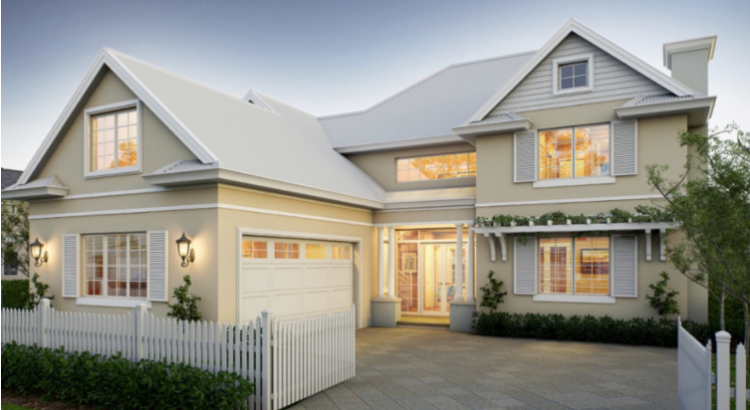
In every home, there comes a stage where small repairs are simply not enough anymore, and at this point, complete home renovation becomes the practical solution people look for. This means upgrading or rebuilding a property from inside to outside, which covers structural changes, electrical and plumbing updates, and also finishing details like flooring, paint, and fixtures. Rather than working on one room at a time, this approach treats the whole property as one single project, so that every part of the house works properly together in design, function, and safety. Many homeowners go for this option when their house starts feeling outdated, unsafe, or simply not matching anymore with how they live today.
What Does a Complete Home Renovation Involve?
A full renovation normally touches several main areas of a property, not just small repairs here and there. This can include:
Rebuilding or strengthening structural parts such as walls, foundation, or roof
Rewiring the electrical system so it matches current safety rules
Changing old plumbing so leaks or water damage do not happen later
Redesigning the layout of rooms for better use of space
Putting new flooring, ceiling, and interior finishing
Upgrading kitchen and bathroom with modern fittings
Since all these works are connected with each other, planning them at the same time usually brings better result than doing each one separately across different times.
How Long Does a Complete Home Renovation Take?
Time needed for this depends on how big the property is, how much structural work is required, and how many different trades are working together. For smaller homes with moderate updates, few weeks can be enough, but for bigger properties with major layout or structural change, it may take several months to finish. Weather, availability of material, and permit approval process can also affect how long the whole project runs. Usually, a realistic timeline gets decided only after first inspection, once full scope of the work becomes clear.
What Are the Key Stages of the Renovation Process?
Most renovation projects follow almost similar sequence, even though small details can differ from house to house.
First, assessment and planning, where current condition of property gets reviewed
Then design and approval, where layout and materials are decided finally
After that, demolition or removal of old structure and fittings
Structural work comes next, which includes framing, plumbing, and electrical setup
Then finishing work, such as painting, flooring, and fixture installation
At the end, final inspection to check everything is meeting safety and quality standard
Following this order properly helps to avoid rework later and keeps project moving in efficient way.
Structural vs Cosmetic Renovation: What Is the Difference?
Cosmetic renovation is mostly about appearance only, like painting wall, changing cabinet door, or updating light fixture. It does not touch the layout or structure of home at all. On other side, structural renovation involves change in wall, foundation, roof, or load bearing part of the house. A complete home renovation usually brings both of these together, because look of a home and its structure underneath mostly need attention at same time, so long term comfort and durability can be achieved.
What Factors Affect the Cost of a Complete Home Renovation?
Many different things can affect how much investment is needed for renovation project. This includes size of property, condition of existing structure, quality of material chosen, and how complex the design change is. Older homes sometimes need extra work just to meet current building standard, and this adds more into overall scope. Labor cost and regional price of material also play their part in deciding final budget of project.
Why Do Homeowners Choose to Renovate Instead of Move?
Moving to new property brings many cost with it, such as agent fee, moving expense, and also emotional stress of leaving a neighborhood that is already familiar. Renovation gives homeowner chance to stay in same location they already know well, while still updating living space according to modern need. It also gives opportunity to customize home based on personal choice, instead of adjusting to design decisions made by someone else before. Because of this, for many families, renovation becomes more practical and rewarding decision for long run.
A well planned complete home renovation can turn an outdated or inefficient property into space that feels safer, more functional, and better suited for modern living. When structural issue, essential system upgrade, and interior finishing are handled together, homeowner can avoid disturbance that comes from doing many small projects again and again. Understanding the stages, timeline, and different factors involved helps in setting realistic expectation before work actually starts, and this makes whole renovation journey smoother and more successful in the end.