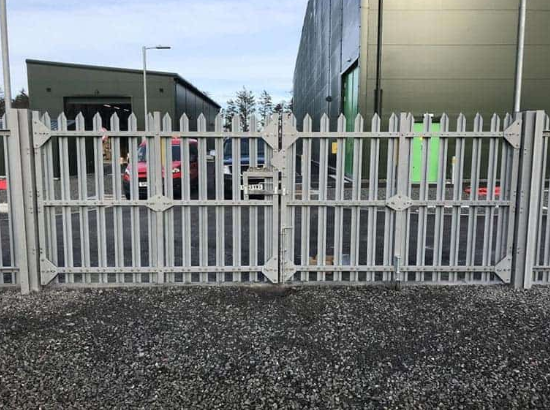
Fencing decisions used to be straightforward. Timber, metal, or brick. Australian property owners who’ve dealt with warped palings after summer know those “tried and tested” materials aren’t always the best choice. Rusted posts near the coast tell the same story. A grp fence might sound unfamiliar, but it’s quietly solving problems that traditional options simply can’t handle.
Glass reinforced plastic isn’t new technology. Marine applications have relied on it for years. Industrial settings use it because it survives where other materials fail. What’s changed is accessibility. Manufacturers have refined it for residential and commercial fencing, moving it beyond shipyards and chemical plants into everyday properties.
Weather Resistance
Most people don’t realise how UV degradation actually works. It doesn’t just fade colours. The molecular structure of materials breaks down over time. Old timber fences become brittle and snap at the slightest knock because of this process. Glass reinforced plastic contains UV stabilisers built into the material itself. Not just coated on top. This means the protection doesn’t wear off after a few seasons like paint does.
Coastal areas present unique challenges. Salt spray does more damage than expected. It corrodes metal, obviously, but it also accelerates timber decay drawing moisture into the grain. Glass reinforced plastic’s non-porous surface gives salt nothing to cling to. Harbours and marinas prefer it for structural applications for exactly this reason.
Minimal Upkeep
The maintenance difference becomes obvious quickly. Timber fence owners are reapplying stain or paint. They’re replacing rotted sections. Dealing with termite damage. Metal fence owners are treating rust spots and checking for corrosion at ground level. Grp fence owners are doing essentially nothing beyond occasional hosing.
This isn’t just about convenience. The cumulative hours spent maintaining traditional fencing over a decade add up to full working weeks. Time that could be spent elsewhere. The economic logic makes sense once you factor in materials, tools, and lost weekends.
Long-Term Durability
Most fencing materials have an Achilles heel. Timber handles impact well but rots at ground level. Metal resists decay but dents and corrodes. Brick lasts indefinitely but cracks under structural movement. Glass reinforced plastic distributes impact across its fibrous structure. That’s why it’s used in protective equipment and vehicle parts. When something hits it hard, the force spreads through the composite rather than creating a single point of failure.
Ground contact is where most fences eventually fail. Moisture and soil contact accelerate decay in timber. Metal posts corrode where they meet the earth. Glass reinforced plastic remains chemically stable in ground contact, which changes the typical failure pattern entirely. The weak point simply doesn’t exist in the same way.
Design Flexibility
The moulding process allows for surface textures that genuinely mimic other materials. Some installations look convincingly like timber grain from a short distance. Others replicate stone texture. Some embrace the smooth, modern aesthetic that suits contemporary architecture instead.
Colour isn’t just surface-deep either. Pigments get mixed throughout the material during manufacturing. Scratches don’t expose a different colour underneath like painted surfaces do. The colour goes all the way through.
Environmental Considerations
Timber fencing often requires chemical preservatives. These prevent rot and insect damage but leach into surrounding soil over time. Gardeners notice this. Families with pets worry about it. Glass reinforced plastic needs no chemical treatment because there’s nothing for insects to eat. No organic material to decay.
The production process does use petroleum-based resins. Worth acknowledging. However, the extended lifespan means fewer replacements, and some manufacturers now incorporate recycled content into their products.
Safety Features
Splinters aren’t just annoying. They cause genuine injuries and infections. Timber fences become hazardous as the wood dries and splits, especially older installations. Metal can develop sharp edges where panels meet posts. Grp fence installations maintain smooth surfaces throughout their lifespan. Matters for properties where children play near boundaries or pets run along fence lines.
Versatile Applications
Chemical plants use glass reinforced plastic fencing around hazardous areas. It won’t react with most substances. This same property makes it suitable for properties near industrial areas or agricultural land where spray drift might affect boundaries. Swimming pool surrounds benefit from its chlorine resistance. Horses can’t chew through it like they do timber, which equestrian properties appreciate.
Conclusion
A grp fence addresses specific problems rather than offering just a different aesthetic. Properties facing harsh weather find solutions here. So do those with minimal maintenance time. Challenging environmental conditions become manageable. Glass reinforced plastic provides answers that traditional materials genuinely can’t match. The upfront unfamiliarity makes sense. The performance track record in demanding applications speaks clearly enough though. It’s about choosing materials that actually suit Australian conditions and modern lifestyles rather than following what’s always been done.