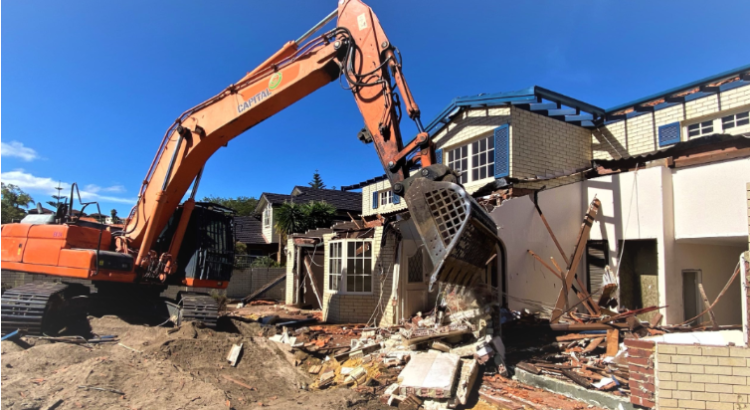
For most properties, home demolitions on the Gold Coast is a process that involves far more than simply knocking a structure down, this is something many people do not realize at first. In older properties of the region, hazardous materials, outdated wiring and structural elements are often found, and before any physical work starts, careful assessment of these becomes necessary. Inspection, permits and hazard identification, these come first in a safe demolition process, and only after that, controlled dismantling along with waste disposal takes place. Through this structured approach, workers and neighbouring properties both remain protected, and environmental compliance with local council regulations also gets ensured.
Why Older Homes Require Special Attention
In homes that were built before the mid 1980s, asbestos is commonly found within roofing sheets, wall linings, floor tiles and insulation material. When these materials get disturbed without proper handling, harmful fibres can release into the air, and this is a risk not to be taken lightly. Because of this reason, a thorough inspection before demolition is treated as a critical first step by most professionals. From various parts of the structure, samples get tested, and through this, it becomes clear whether specialised removal procedures are needed before any demolition equipment enters the site.
What Happens During a Typical Demolition Process
Generally, a standard demolition project follows through these stages:
- Site inspection along with hazardous material testing
- Utilities such as gas, water and electricity getting disconnected
- Council permits and clearances being obtained
- Where possible, salvage of reusable materials
- Demolition machinery used in a controlled manner
- Debris getting sorted and removed
- Final inspection after site clearing
In reducing risks for workers and nearby properties, each of these stages plays its own part, and efficiency of the whole process depends on this.
How Long Does a Home Demolition Usually Take
On the size of the property and materials involved, along with presence of hazardous substances, this timeline mostly depends. For a small single storey home with no complications, clearing within a few days is possible in many cases. But when larger structures are involved, or when asbestos removal becomes necessary, the timeline extends further because additional safety steps and specialised disposal methods are required. Scheduling can also get affected by weather conditions and how long council approval takes.
Is a Permit Always Required for Demolition
Before any demolition work begins, approval from local council is mandatory in most situations, this applies even for smaller structures like sheds or granny flats under certain conditions. Through permits, it gets ensured that the demolition plan takes into account site safety, waste management and protection of properties nearby. When this step gets skipped, fines, project delays or legal complications may follow as a result.
What Happens to the Debris After Demolition
Into categories such as timber, metal, concrete and hazardous material, demolition waste typically gets separated. Rather than going to landfill, recyclable materials like steel and certain timbers often get diverted toward recycling facilities instead. As base material for future construction, concrete can get crushed and reused. Through proper waste segregation, environmental impact gets reduced, and under local regulations, this is often a requirement as well.
Common Signs a Property May Contain Hazardous Materials
Before demolition begins, certain indicators suggest that professional inspection becomes necessary:
- Roofing sheets made of corrugated material, installed before the 1990s
- Wall and ceiling linings with textured or patterned surface
- Floor tiles made from vinyl with fibrous backing
- Fencing panels made from old cement sheeting
- Insulation material with texture or appearance that seems unusual
Early on, when these signs get identified, unsafe exposure during the demolition phase can be prevented.
Why Professional Assessment Matters Before Demolition
Without proper assessment, when a structure gets demolished, health risks and structural hazards may get exposed to people involved. In locating hidden hazardous materials and identifying weak points of a building, trained assessors bring understanding, and a demolition sequence that keeps risk minimal can be planned by them. Because of this level of expertise, accident chances get reduced, and safety standards required by local authorities get properly met.
How Weather and Location Affect Demolition Planning
Humidity, salt exposure and seasonal storms, these specific challenges come with coastal environments. Sometimes, deterioration in roofing or structural components gets accelerated because of these factors, and building material condition can get affected as a result. Around weather patterns, when demolition work gets planned, delays are avoided and safer working conditions for crews on site get ensured too.
Final Thoughts on Planning a Demolition Project
On careful planning, hazard identification and adherence to safety regulations at every stage, a well managed demolition project relies heavily. From the initial inspection right through to final site clearance, a smoother and safer outcome gets contributed to by each step. For those reviewing their options regarding home demolitions on the Gold Coast, this process, once understood properly, helps in setting realistic expectations around timelines, permits and material handling well before any work actually begins.